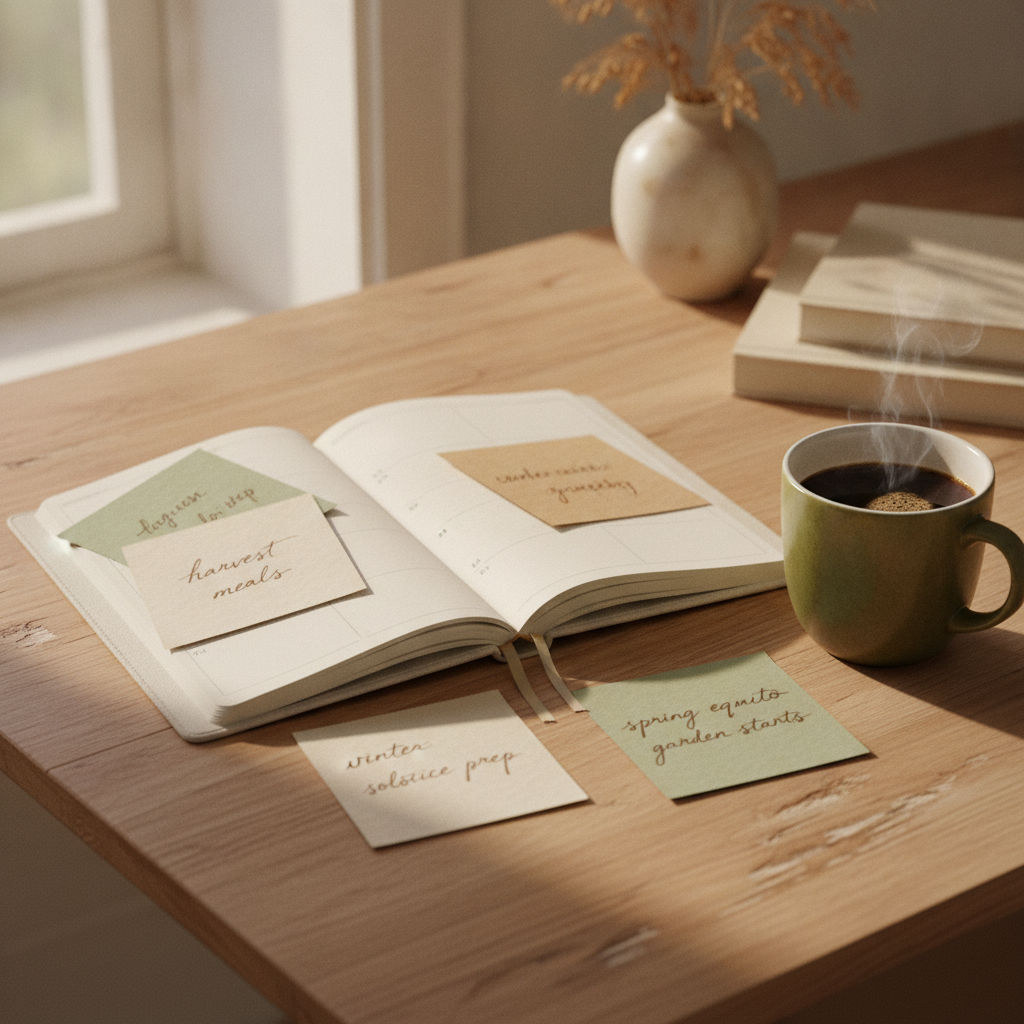
Before we started, I mapped an entire year into a planner app, color-coded by subject, and none of it matched our real weeks by week three. These days, planning looks almost nothing like that. It’s smaller, looser, and honestly takes less time than the version I used to do.
It’s Not a Full Year Mapped Out
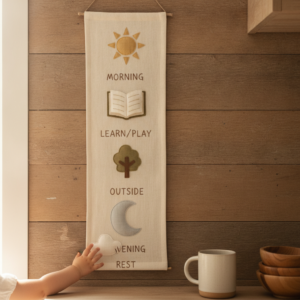
I don’t plan a year in advance anymore. I plan a week, loosely, against a rhythm that already exists. That rhythm is five blocks – a morning anchor, focused work, movement, rest, and an open afternoon – with no clock times attached to any of them.
It Starts With Paying Attention, Not Mapping Ahead
During our first week of homeschooling, I kept a scrap of paper on the fridge just jotting down when each kid seemed sharp and when they seemed done. That habit never really left. Planning now starts with what I already know about how our days tend to go, not with a blank calendar I’m filling in from nothing.
It Leaves Room for What the Day Actually Needs
There’s a deliberately unassigned block built into every day. Nothing is scheduled into it on purpose. It absorbs whatever the morning already used up, or whatever a kid needs more of that day. That one unplanned block does more work than any of the color-coded systems ever did.
What I Still Get Wrong
I still occasionally catch myself trying to plan too far ahead, especially after a good week makes me overconfident. It never holds. The rhythm works because it stays close to what’s actually happening, not because I got better at predicting the future.
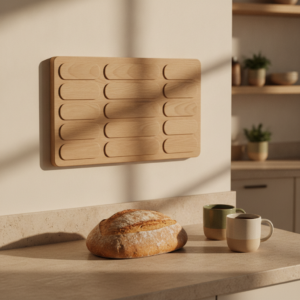
This is basically the whole shape of The Intentional Homeschool Planner – built around a week you actually check in on, not a year you guess at in August.
You can read more about how we got here on our Homeschool hub.
This ties into the Five-Block Rhythm.