The dough sat there, flat and stubborn, for the third hour in a row. My daughter had checked on it every ten minutes, convinced that watching harder would somehow make it rise. It never did. We baked it anyway — a dense, sad little brick of bread — and it turned out to be one of the best lessons of that entire month.
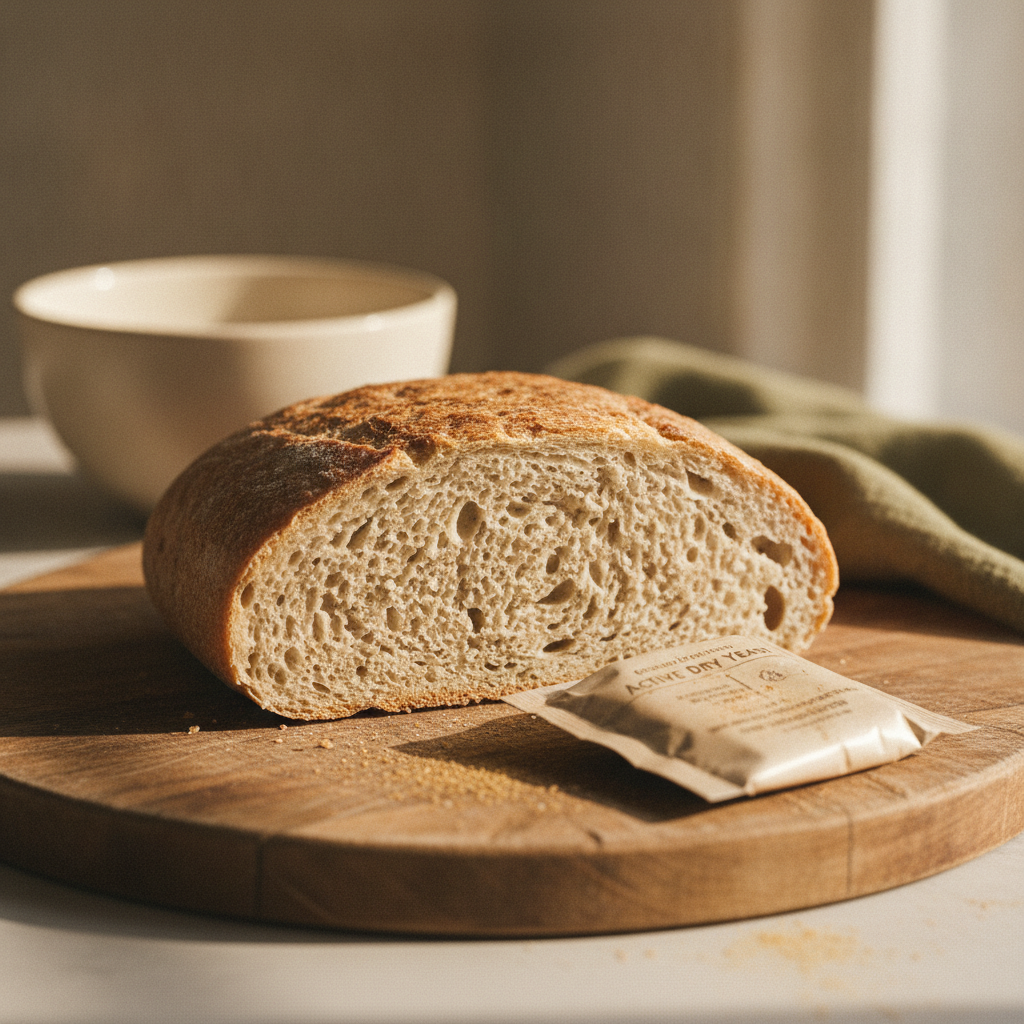
We’d used yeast that was long past its expiration date, dead and inactive, though we didn’t figure that out until later. Here’s what actually happened, and why I stopped seeing it as a failed lesson.
The Investigation Was the Real Lesson
Instead of just tossing the flat loaf and trying again, we turned it into a real investigation — checking the yeast expiration date, testing a fresh packet in warm water to watch it foam, comparing it to the dead batch that did nothing. That comparison taught more about yeast biology than a successful loaf ever would have.
We Ate the Failure, On Purpose
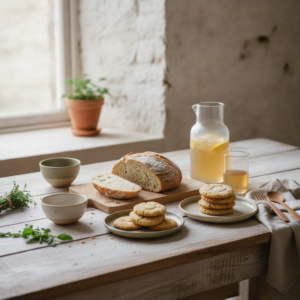
Rather than throwing out the flat bread, we sliced it, toasted it, and ate it with butter, talking through what had gone wrong the entire time. Eating the result of a mistake, instead of erasing it, made the lesson concrete instead of theoretical.
My Own Reaction Mattered More Than the Bread
My daughter watched my face closely in that moment, more than she watched the dough. Staying curious instead of frustrated in front of her taught her more about how to handle her own failed experiments later than any lecture about “it’s okay to fail” ever could.
What We Do Differently Now
- We check yeast dates before starting, now that we know to look.
- A failed bake gets investigated out loud, not quietly redone without discussion.
- We keep one “control” ingredient on hand to compare against when something goes wrong.
- Nobody’s allowed to say “I’m bad at this” about a single failed attempt — one data point isn’t a pattern.
Why This Story Still Gets Told
Years later, “the bread that didn’t rise” is still a phrase in our house for any failed experiment worth investigating instead of hiding. That’s a bigger win than the loaf ever would have been.
For the philosophy behind this, our Cooking as Curriculum post covers the rest of our approach.
If you want a simple way to bring more of this into your week, grab our free guide below.