Our first “educational” family trip involved a printed itinerary with a museum stop scheduled every two hours. By day two, everyone was exhausted, cranky, and had absorbed almost nothing, because we’d built a trip for a itinerary instead of for actual kids.
Travel can absolutely be part of learning without turning a family trip into a forced march through educational content. Here’s what’s actually worked for us since that first over-planned disaster.
Fewer Stops, More Time at Each
We cut our planned stops by half and it improved every trip since. One place explored slowly beats three places rushed through — kids actually remember and connect with what they had time to sit with.
Let Them Pick One Thing
Before every trip now, each kid picks one thing they specifically want to see or do, and it goes on the itinerary no matter what. Buy-in changes everything about how engaged they are with the rest of the trip too.
The Travel Journal, Kept Simple
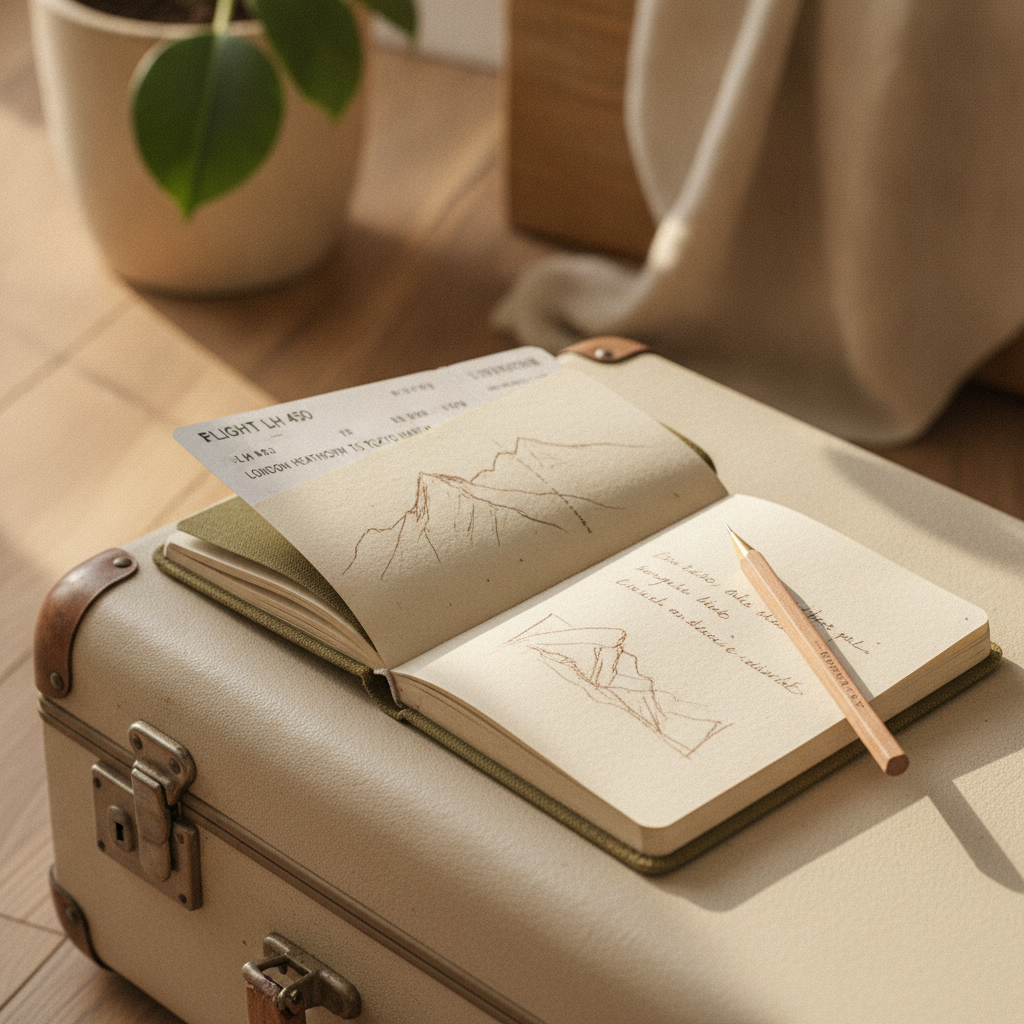
A small notebook, one line or drawing a day, that’s it — no assignment, no requirement about what goes in it. The simplicity is what makes it survive an entire trip instead of getting abandoned by day two.
Our Actual Travel Approach
- No more than one major stop per day, with real unstructured time around it.
- One “their choice” activity per kid, non-negotiable, built into the plan.
- A simple travel journal, one entry a day, no rules about content.
- At least one full unplanned day on any trip longer than a few days.
What Travel Actually Teaches
Not facts memorized from a plaque — flexibility, handling a change of plans, navigating somewhere unfamiliar. Those skills showed up more reliably from an underplanned trip than an overplanned one ever gave us.
For more everyday ideas like this, our Family Activities hub has what we do closer to home too.
If you want a simple way to bring more of this into your week, grab our free guide below.