We once spent forty minutes watching a single ant carry a crumb three times its size across our driveway. No worksheet assigned it, no lesson plan mentioned it — my son just stopped walking and wouldn’t move until the ant made it to wherever it was going. That forty minutes taught him more about persistence and problem-solving than any structured science unit we’d tried that month.
“Nature walks as science class” sounds like a nice phrase until you’re standing outside wondering what you’re actually supposed to do besides walk. Here’s what it’s looked like for us, concretely, across three kids and four years of trying.
We Stopped Having a Destination
Our early nature walks failed because I treated them like exercise — get to the end of the trail, come back. Everything changed when we stopped aiming for anywhere. Some of our best walks now cover less than a quarter mile in an hour, because we stopped for every mushroom, every weird-shaped rock, every bird call worth stopping for.
One Question Beats Ten Facts
I used to over-narrate — naming every tree, every bird, turning the walk into a lecture. What worked far better was asking one real question and letting it sit unanswered: “Why do you think that leaf is turning red already?” We didn’t always look up the answer. Sometimes the wondering was the whole point.
The Same Trail, Four Seasons
Walking the exact same short trail near our house across a full year did more for teaching seasonal change than any book with diagrams. My daughter noticed on her own, without being told, when the same fallen log went from dry to moss-covered to snow-dusted. Repetition, not novelty, was what made the science visible.
What We Actually Bring
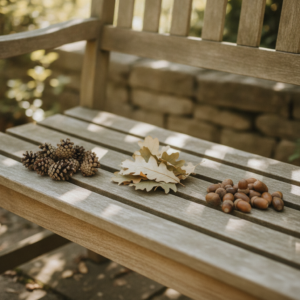
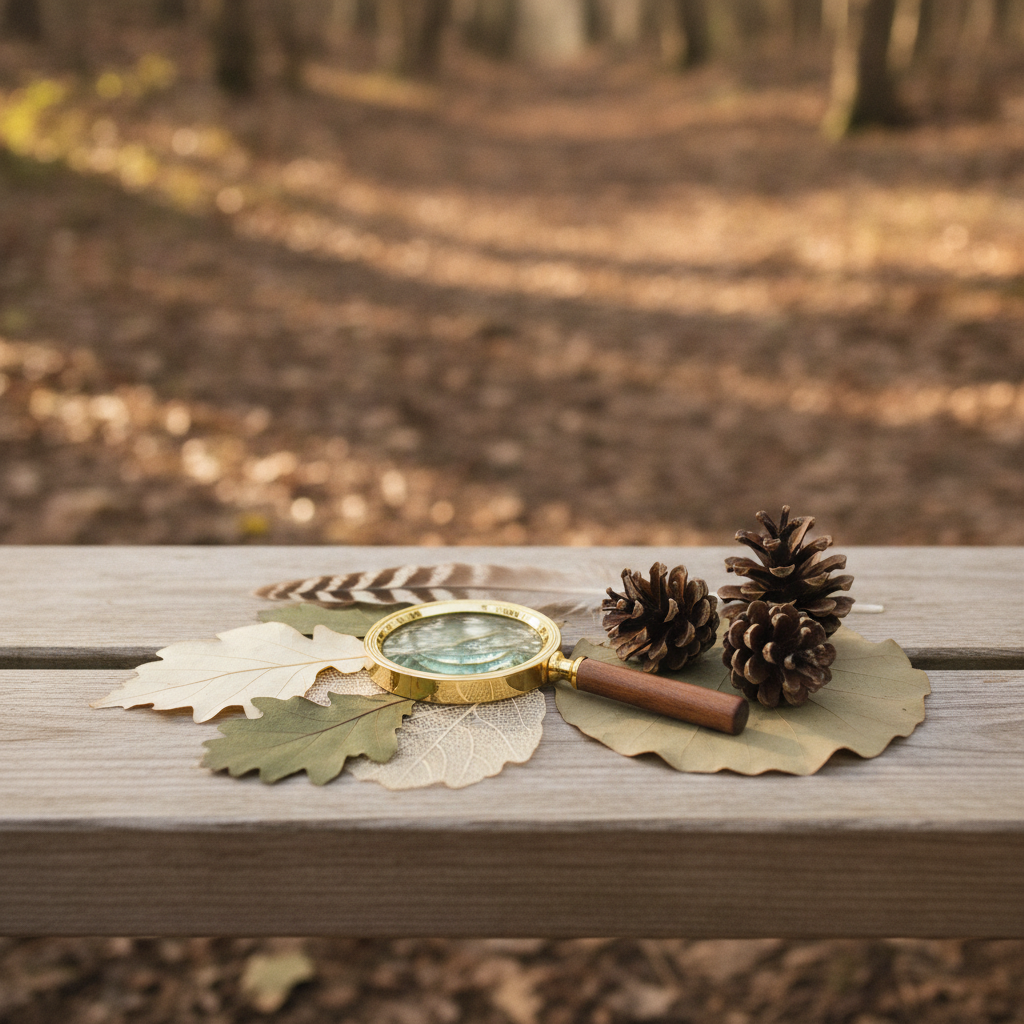
- A small bag for “specimens” — rocks, leaves, feathers, whatever gets found.
- One magnifying glass, shared and fought over equally.
- Nothing else. No worksheets, no scavenger hunt lists. The list version turned exploring into a checklist chore the one time we tried it.
When It Went Wrong
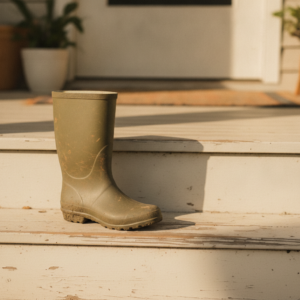
Rain, mud, and a missing shoe once turned a “peaceful nature walk” into forty-five minutes of carrying a crying six-year-old back to the car. We still count it as a good walk — she still talks about the day she lost her shoe in the mud, which means something about that afternoon actually stuck.
If this kind of learning fits your family, our Family Activities hub has more ideas for turning ordinary time outdoors into something more, and Cooking as Curriculum covers the same approach for indoor time.
If you want a simple way to bring more of this into your week, grab our free guide below.