On a Tuesday last spring, my youngest asked why the pancake batter got “bubbly” when we added baking soda to the buttermilk. I didn’t have a tidy answer ready, so we looked it up together, mid-breakfast, flour still on both our hands. That five-minute detour taught her more about acid-base reactions than any worksheet I’d tried to hand her that month.
That’s the moment “Cooking as Curriculum” stopped being a nice phrase on our Family Activities page and became something we actually do on purpose, most weeks.
Fractions You Can Taste
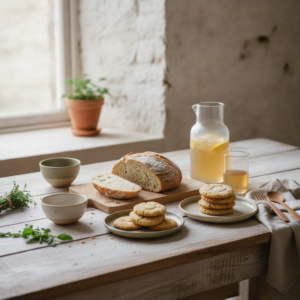
We struggled with fractions on paper for a full semester. What finally clicked wasn’t a manipulative kit — it was doubling a cookie recipe together and figuring out what 1½ times ¾ cup actually meant, standing at the counter with measuring cups in hand. She got the wrong amount once, we ended up with very flat cookies, and she still remembers that conversion better than anything from the workbook.
Patience Is a Cooking Skill Too
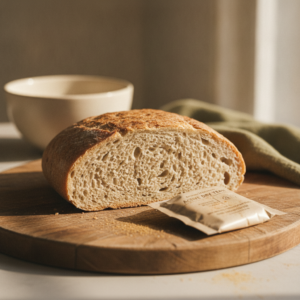
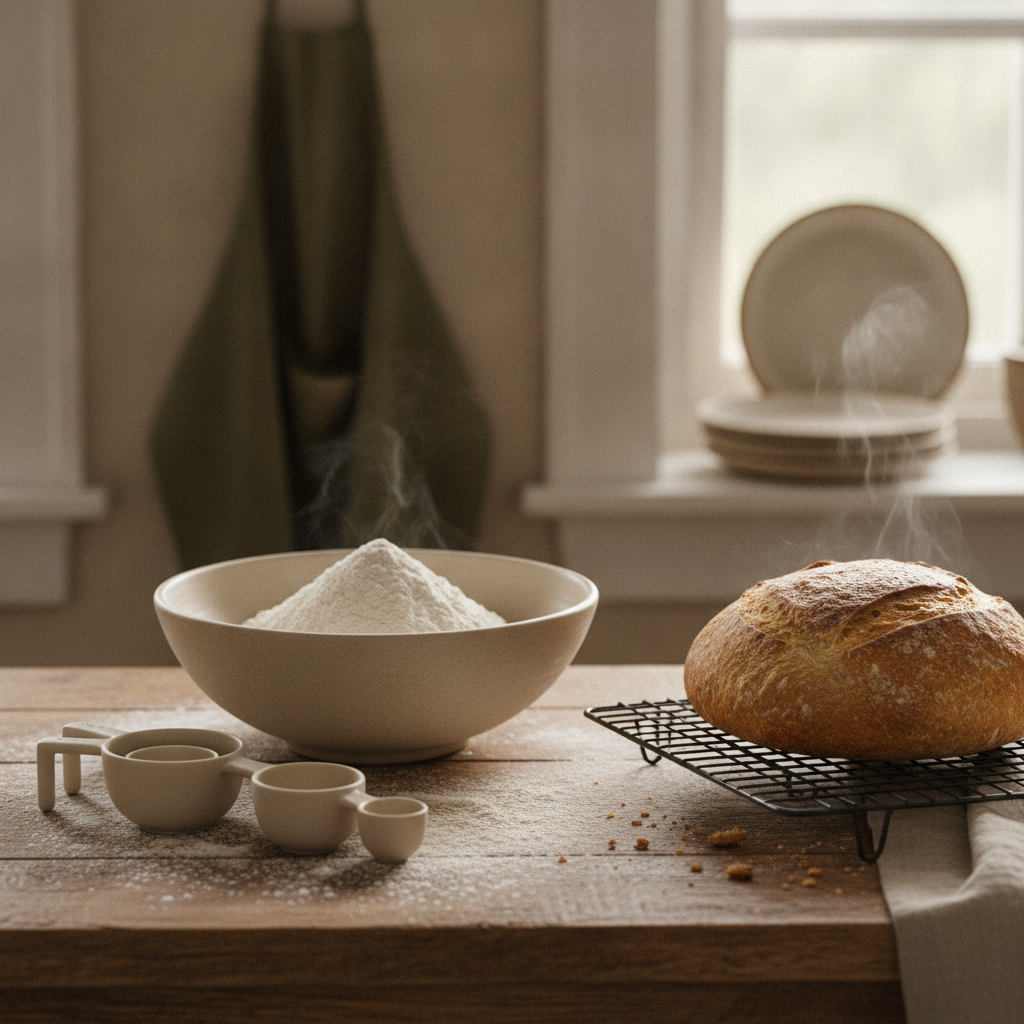
Bread was the hardest lesson, and not for a measurement reason. Waiting an hour for dough to rise, with nothing to do but wait, was genuinely difficult for a seven-year-old used to instant results. We didn’t rush it or distract our way past it — we just sat with the boredom together, which turned out to be its own kind of practice.
Our Actual Weekly Rhythm
- One “measuring” recipe a week (baking, mostly) — this is where fractions and volume live.
- One “chemistry” moment we don’t plan for — noticing why something rose, browned, or curdled, and looking it up together.
- One meal where a child plans the whole menu, including what we’re missing from the pantry.
What We Don’t Pretend
Not every meal is a lesson, and treating it that way would burn out both of us fast. Most nights, dinner is just dinner. This works because it’s occasional and genuine, not because we’ve turned the kitchen into a daily classroom.
For more on how we blend everyday moments like this into actual learning, our Family Activities hub has the rest of what we do outside the kitchen, and Learning at Home covers how the same idea plays out for reading and math.
If you want a simple way to start finding these moments in your own week, grab our free guide below.