The week before we started kindergarten at home, I made a list of everything I thought my oldest needed to know by June. It filled two pages. By October, I’d thrown most of it out — not because she couldn’t do it, but because almost none of it was actually about kindergarten.
If you’re staring down a curriculum catalog wondering what’s actually required versus what’s just being sold to you, here’s what kindergarten really needs, based on three years of doing this ourselves.
Reading: Readiness, Not Fluency
Kindergarten isn’t the year your child needs to read chapter books. It’s the year they learn that letters make sounds, sounds blend into words, and books go left to right. That’s it. We spent most of our reading time just reading aloud together — my daughter didn’t sound out her first real word until almost November, and that was completely normal.
Math: Number Sense, Not Worksheets
What matters at this age is understanding that numbers represent real amounts — that “5” means five actual things, not just a symbol to copy. Counting snacks, comparing who has more, and noticing patterns does more here than a stack of addition worksheets ever will.
Fine Motor Skills: The One Everyone Skips
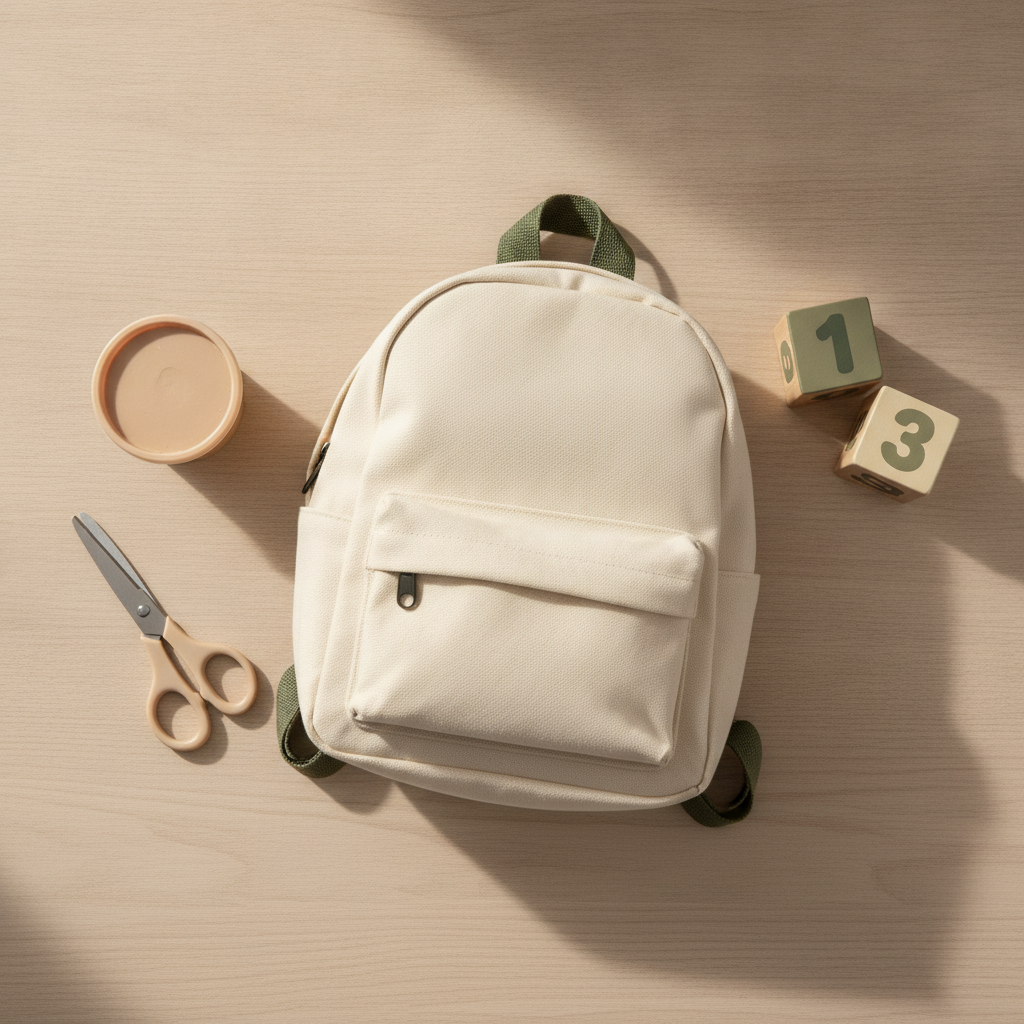
Nobody warned me that the hardest part of kindergarten wouldn’t be academic at all — it would be getting a five-year-old’s hand strong enough to hold a pencil for more than two minutes. Playdough, scissors, buttoning shirts, and pouring their own cereal all build this more effectively than handwriting practice sheets.
Life Skills: Quietly the Most Important Subject
Can they put on their own shoes? Clean up a spill? Follow a two-step instruction without you repeating it three times? These aren’t “extra” skills — they’re what makes every other subject possible, and they rarely show up on any curriculum checklist.
Social-Emotional: Learning to Be Wrong Out Loud
The single most useful thing we practiced wasn’t a subject at all — it was letting my daughter get an answer wrong in front of me without falling apart. Kindergarten is often the first time a child realizes they don’t already know everything, and how they handle that moment matters more than what they got wrong.
What We Actually Dropped
- A full phonics workbook — we used maybe a third of it before switching to just reading together.
- Formal handwriting drills — playdough and scissors did more in less time.
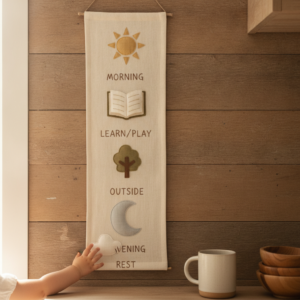
- A packed daily schedule — we kept one steady anchor routine instead (mornings, always after breakfast).
None of this means kindergarten doesn’t matter — it means it looks different than the catalogs suggest. If you want a full walk-through of how we structured the actual first month, Getting Started with Homeschool: A Realistic First 30 Days covers that in more depth. You can also browse the full Homeschool hub for more.
If you want a simple way to bring more of this hands-on approach into your week without adding anything to your plate, grab our free guide below.