With my oldest, every stage felt like a brand-new problem I had to solve from nothing. By the time my youngest hit the same ages, I started noticing something I’d completely missed the first two times through: the stages weren’t random. They followed a pattern.
It sounds obvious written down. It did not feel obvious while I was living it one anxious milestone at a time.
The Pattern Repeats, Even When the Kid Doesn’t
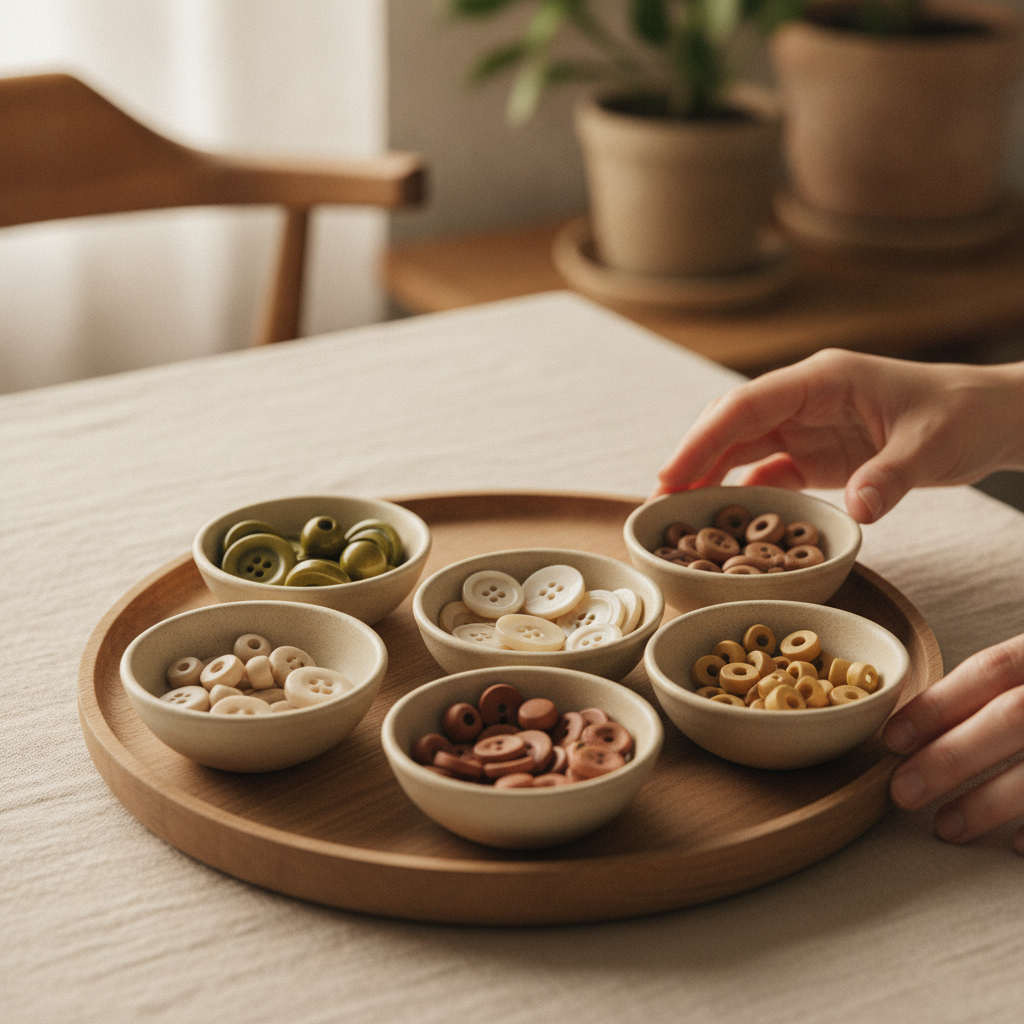
At two and three, “homeschooling” mostly meant narrating the laundry out loud and stacking the same blocks for the eleventh time that morning, with every single one of them. My youngest also spent a full week at four sorting every button, bead, and bottle cap in the house by color, unprompted – different fixation than her older siblings had, same underlying drive to categorize and master something small and repeatable.
What I Missed With the Oldest
With my oldest, I worried the repetition meant we were stuck, or that the sorting-and-stacking phase should be moving faster toward something more “academic.” I didn’t yet know that phase was the academic part, just wearing a different outfit.
Seeing It Clearly by the Third
By the third kid, I recognized the pattern early enough to stop fighting it. The specific interest changes – blocks, buttons, spoons turned into battling armies – but the shape of what each age is doing underneath stays remarkably consistent.
Once I could see the pattern, I wrote it down so I wouldn’t need a third kid to trust it next time – that’s the core of The Age-by-Age Learning Roadmap.
If you want to see the pattern without waiting for your third kid to reveal it, our Ages hub lays it out stage by stage.